
Exercise Physiology.
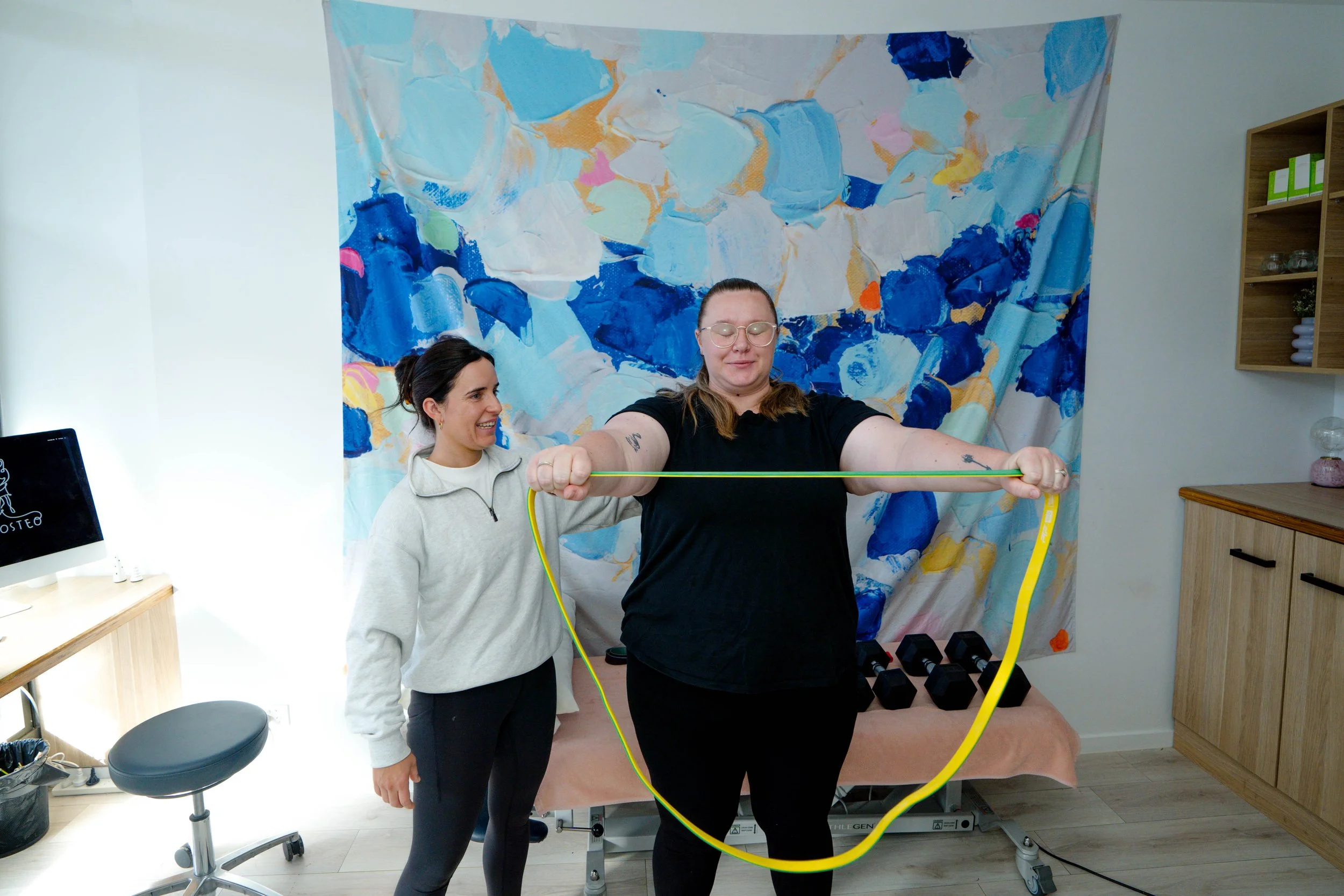
Abbey is our go-to Exercise Physiologist at Your Family Osteo, bringing warmth, clarity, and motivation to every session. She supports everyone from active individuals and athletes to older adults, helping them recover, build strength, and move well long term. Abbey’s approach is practical, encouraging, and tailored to each person’s goals.
Build strength
✳︎
Restore confidence
✳︎
Move better
✳︎
Feel stronger
✳︎
Build strength ✳︎ Restore confidence ✳︎ Move better ✳︎ Feel stronger ✳︎
What is Exercise Physiology?
Exercise Physiologists are allied health professionals who specialise in the prescription of exercise for the prevention, management, and treatment of injuries, chronic health conditions, and disability.
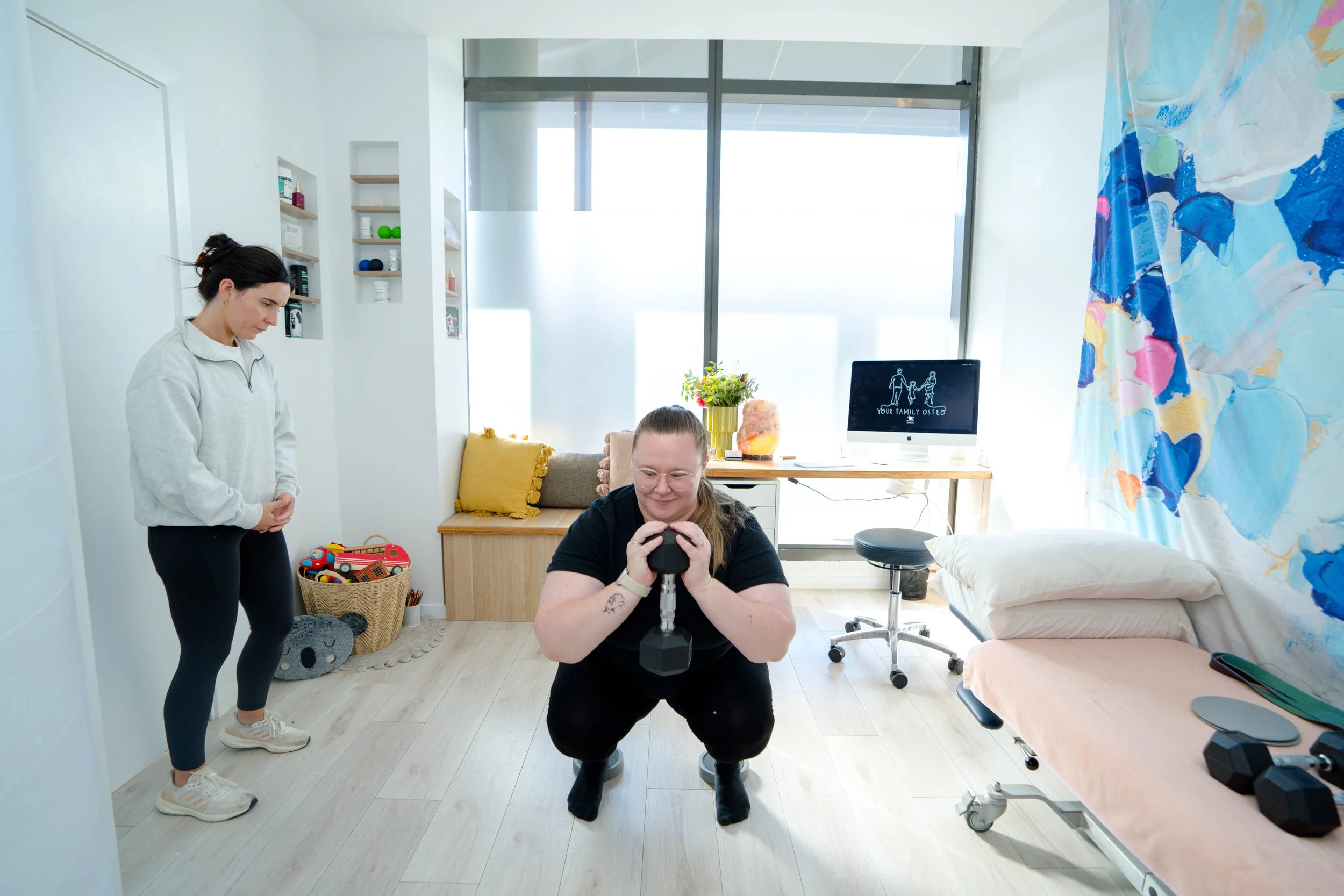
An Exercise Physiologist will conduct a thorough initial assessment, including a detailed case history, goal setting, and physical assessment. Using the most up-to-date evidence, they will then develop a tailored exercise program designed to help you return to the activities you enjoy, improve your overall health, and enhance your quality of life.
Exercise Physiology also plays an important role in active ageing. Through targeted exercise and education, we support the maintenance of functional independence, strength, balance, and confidence as we age, helping you stay active and well for longer.

How Can Exercise Physiology Help Me?
There are many benefits to engaging in Exercise Physiology. While people commonly seek support following an injury, diagnosis, or pain that impacts daily activities, Exercise Physiology is also highly effective as a preventative or early-intervention approach.
You may benefit from seeing an Exercise Physiologist if you:
Are new to exercise or returning after a long break
Want guidance on safe and effective exercise
Have a family history of a health condition and want to understand how exercise can help reduce risk
Want support with building strength, confidence, and long-term exercise habits
If you are not attending for preventative reasons, common reasons to see an Exercise Physiologist include:
Injury rehabilitation, such as soft-tissue injuries, fractures, or concussion
Chronic health conditions, including cardiovascular, metabolic, neurological, or musculoskeletal conditions
Disability support, where exercise can assist with function, independence, and quality of life
Different health conditions benefit from different types of exercise. An Exercise Physiologist can guide you in choosing the most appropriate exercise modalities and help you manage your condition safely and effectively.
How Often Do I Need to See an Exercise Physiologist?
The frequency and duration of treatment will vary depending on your presentation, goals, and stage of recovery. Your Exercise Physiologist will provide recommendations based on objective measures and clinical reasoning.
For example:
Acute or sub-acute injuries may require more frequent sessions initially for supervision and monitoring
As you progress, appointments often reduce in frequency as you become more independent with your program
These recommendations are designed to ensure you get the best possible outcomes from your treatment.

Why Would I See an Exercise Physiologist or a Physiotherapist?
Exercise Physiologists focus primarily on long-term rehabilitation, chronic condition management, and functional improvement through structured exercise.
Unlike personal trainers, Exercise Physiologists are university-qualified allied health professionals and are recognised by Medicare and private health insurers.
Compared to physiotherapists, Exercise Physiologists generally do not provide hands-on manual therapy. Instead, exercise is the primary form of treatment. You would typically see an Exercise Physiologist following a diagnosis, where they will create and progress an exercise-based treatment plan based on your assessment, goals, and individual needs.

What Does a Session Look Like?
Initial Assessment 1hr.
Your first appointment will typically include:
15–20 minutes of detailed case history, covering your reason for attending, health background, previous injuries, medications, family history, and current concerns
A physical assessment, tailored to your goals and presentation
Development and explanation of your individualised exercise program
After your session, you will receive an email with your prescribed exercises, including video demonstrations if required.
Follow-Up or Review Appointments
Review appointments focus on:
Checking how you have progressed with your exercises
Addressing any new or ongoing concerns
Reassessing key measures to monitor progress
Progressing or modifying your exercise program based on outcomes and goals
Want to know more about
Exercise Physiology?
Interested in exercise physiology sessions?
Fill out the form below with your details and any questions, and we’ll be in touch within 48 hours.